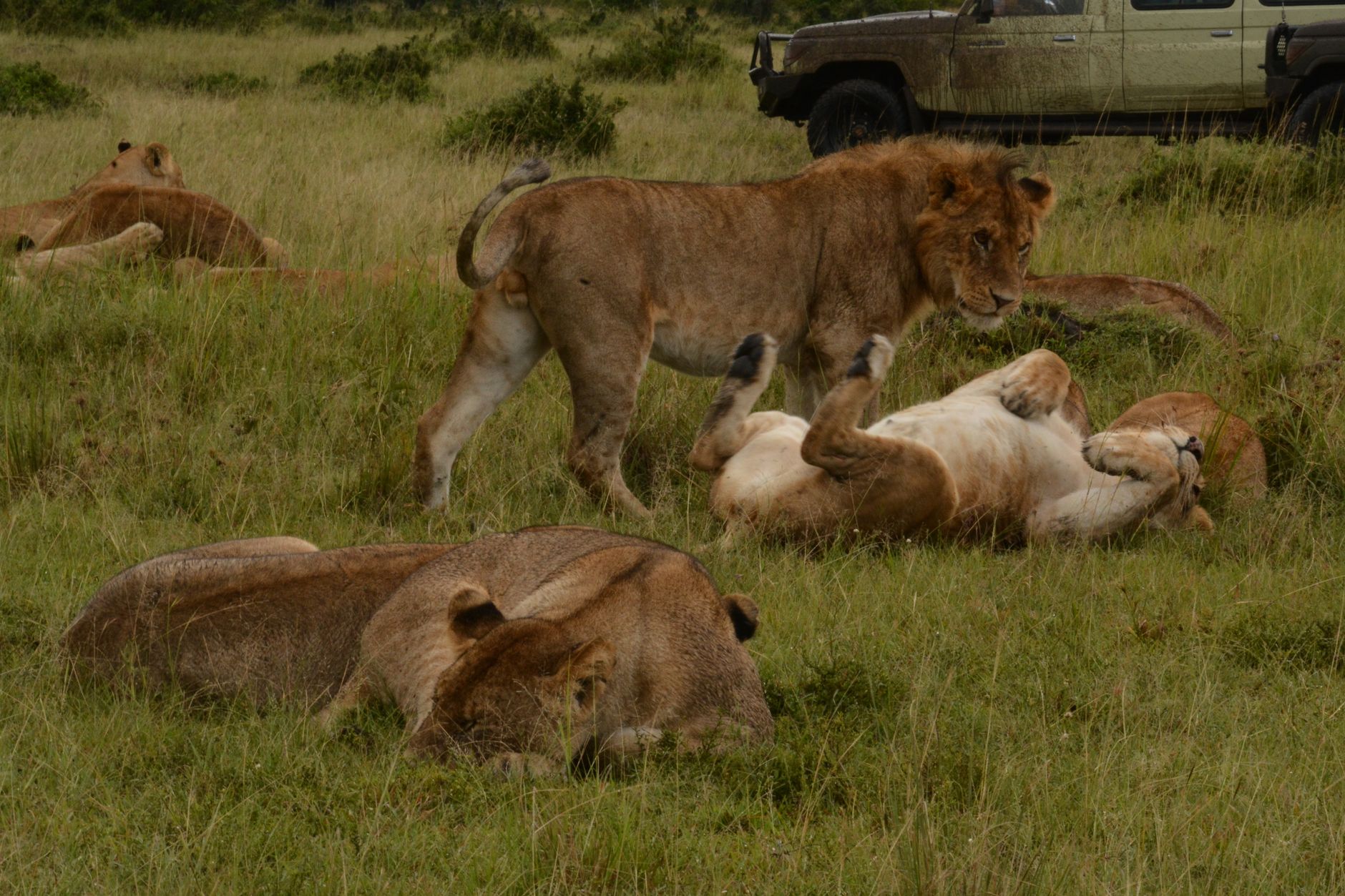
Most visitors to the Masai Mara see wildlife from the roof hatch of a safari vehicle. The result is a familiar look: animal head and shoulders above grass, with the car door and antenna in the corners of the frame. If you want eye-level portraits and a cleaner background, Masai Mara safari photography hides are worth considering. A hide is a small, concealed structure, often sunk into the ground, built at a waterhole, riverbank, or game trail. It lets you wait in one place while animals come to you. This guide separates practical hide photography from marketing language.
What Is a Photography Hide in the Masai Mara?
A Masai Mara photography hide is a concealed structure positioned near water, a riverbank, or a wildlife route so photographers can shoot at eye level without a vehicle in the frame. The low angle produces more intimate images and lets you wait quietly for natural drinking, social, or hunting behaviour.
Not every hide is the same. A ground-level photography hide in Kenya can be a wooden box with a trench, a canvas tent with camera ports, or a purpose-built bunker near a watering point. The common idea is concealment. You stay inside, often from first light until mid-morning, and let the scene develop. You trade the mobility of a game drive for the chance to work at animal height.
Hides also come as waterhole hides, riverbank hides, and overnight hides. Waterhole hides sit beside a reliable water source. Riverbank hides overlook a section of the Mara River or a seasonal stream. Overnight hides keep you in place through the dark hours, usually with a guide, to catch nocturnal visitors. None of these are the same as a raised viewing platform attached to a lodge. That platform offers a wide view, but it does not put your lens at ground level.
Where Can You Find Masai Mara Safari Photography Hides?
For hide-based photography, start by checking conservancy-partnered camps in Naboisho and Mara North, then ask about specific hide locations rather than assuming the whole conservancy has hides. The Mara Triangle and central reserve are stronger for migration and river scenes, while private conservancies generally offer fewer vehicles and more flexible positioning.
| Location | Hide type to expect | Main photography strength | Relative vehicle pressure |
|---|---|---|---|
| Mara Triangle (reserve) | Riverbank hide points near the Mara River | Crocodile, hippo, and possible crossing action | Medium to high in peak season |
| Central reserve near the Mara River | Waterhole or riverbank hide | Big cats and herds at water | High in July to October |
| Mara North Conservancy | Ground-level and waterhole hides | Predators and plains game at close range | Low to medium |
| Naboisho Conservancy | Low-profile waterhole hide | Lion, cheetah, elephant, and bird life | Low by conservancy rules |
| Olare Orok / Olare Motorogi | Specialist hide, often shared by a camp | Leopard and lion density | Low |
The table is a starting point, not a guarantee. Hides in private conservancies may be movable, and a camp can build a seasonal hide after rain. Always confirm what exists in the month of your stay. Some of the most useful Masai Mara safari photography hides are tied to a single camp, not the reserve as a whole.
Which Masai Mara Camps Have Photography Hides?
Hide access is usually tied to a particular camp or specialist safari, not automatically included with every Masai Mara booking. Examples appearing in photography-focused listings include camps and operators connected with Mara North, Naboisho, Olare Orok, and the central Mara. Confirm whether sessions are private, shared, included, or charged separately before paying.
Some camps treat a hide walk as a signature activity and employ a resident guide who knows the local animal routine. Others arrange visits to a shared hide run by the conservancy. Larger reserve lodges usually rely on vehicle game drives. Hides are more common in private conservancies and photography-focused camps.
Ask these questions before booking: Is the hide on camp property or communal land? Is the session exclusive to my group? How many photographers share the space? Is there a guided walk to reach it, and what is the minimum age? If the hide is your reason for choosing the camp, get a written answer. On a honeymoon, a private hide can feel very different from a shared hide, so think about privacy at a Kenya safari camp before you book.
When Is the Best Time to Use a Photography Hide in the Masai Mara?
The dry season from roughly July to October usually offers clearer access roads, concentrated wildlife around water, and migration subjects, but it also brings higher prices and demand. Green-season months can deliver lush backgrounds, dramatic skies, newborn animals, and fewer visitors, although rain, dispersed wildlife, and muddy tracks can reduce hide predictability.
For Great Migration photography, July to October is the headline window. Wildebeest and zebra gather in the northern Mara and cross the Mara River, and the shorter grass makes animals easier to see. Hide slots fill quickly in this season. Prices rise, and popular camps book months ahead.
If your priority is low vehicle density and green grass, consider January to March or June. Rain can keep some hides unreachable, so leave flexibility in the itinerary. Before choosing dates, read the best time to visit the Masai Mara.
What Animals Can You Photograph from a Masai Mara Hide?
Waterhole hides are best for drinking, bathing, territorial, and interaction scenes involving elephants, antelope, plains game, and birds. Predators may appear when conditions suit them, especially at quieter or overnight hides. A hide improves the angle and patience of the encounter, but it cannot guarantee lions, leopards, crossings, or any particular species.
At a typical waterhole hide, expect a rotation of elephants, buffalo, zebra, wildebeest, impala, warthog, and many bird species. Birds are often the most photography-friendly subjects because they tolerate a hidden observer longer. Lions may drink at dawn, leopards may pace along a riverbank, and cheetah may use the water point as a landmark. Overnight hides increase the odds of nocturnal visits, but they demand careful planning and a camp that follows responsible wildlife-viewing rules.
Black rhino sightings are rare in the Mara’s central plains, though some conservancies hold small populations. If you also plan a northern Kenya or Lake Nakuru visit, learn how to tell black and white rhinos apart before you go.
What Camera Lens Do I Need for a Safari Photography Hide?
Bring a fast telephoto such as a 70-200mm f/2.8 for close subjects and a longer 300-600mm lens when animals remain distant, plus two camera bodies to reduce lens changes in dust. Start with fast shutter speeds for movement, raise ISO as light falls, and carry beanbag support if the hide permits it.
Inside a hide, you may be only a few metres from a drinking elephant or a bird on a branch. A 70-200mm f/2.8 works well at that range. A 300-600mm zoom gives more reach when animals pause at the far edge of the waterhole. If you carry two camera bodies, put a short zoom on one and a long lens on the other. This cuts down on dust and missed moments.
Place your camera on a beanbag or low tripod before the scene starts. Use shutter priority or manual mode, and set a shutter speed near 1/1000s for movement. Raise the ISO as light drops rather than slowing the shutter too far. Turn off flash, even in dull conditions. Many hides have small window ports, so check the opening size before you buy a new lens.
How Much Does a Masai Mara Photography Hide Cost?
Published specialist listings indicate that some hide sessions cost about USD 40-80 when not bundled into a camp stay, while full photography safaris cost substantially more. Confirm the session length, transfer time, minimum age, toilet and sleeping arrangements, camera-space limits, weather policy, conservation fees, and whether conservancy access is restricted to resident guests.
The phrase hide access is not standard on all rate sheets. Some camps include a hide walk in the daily rate. Others charge a session fee. Published photography-safari information puts standalone hide sessions at roughly USD 40-80 when they are not included in the camp rate. Treat that as an indication, not a quote.
Full specialist safaris are priced at a different level because they include fewer vehicles, a dedicated guide, and more time at the hide. Camp rates in private conservancies also include conservancy fees, which are separate from reserve entry fees. Before comparing prices, ask exactly what the package covers. The wider cost picture, including flights, park fees, and lodge tiers, matters too, and you can check our current Kenya safari cost guide.
How Do I Choose a Masai Mara Photography Hide Responsibly?
Stay quiet, remain inside the hide, follow the guide’s instructions, and never use food, calls, flashes, or movement to attract wildlife. Ask who owns and manages the site, how community revenue is shared, whether the structure affects animal access, and whether overnight use follows responsible wildlife-viewing standards before booking.
A responsibly run hide should not block an animal’s only drinking point, push wildlife into risky routes, or let photographers leave the structure. In conservancies such as Naboisho and Mara North, land is owned by Maasai communities, and camps pay lease fees and employment premiums. Ask whether hide use supports that arrangement. If the answer is vague, treat it as a red flag.
Good hide operators plan around animal behaviour rather than demanding action on a schedule. They know when to close the hide, when to move it, and when to leave an animal alone. If you are building an ethical trip, review how to identify ethical wildlife encounters in Kenya before you finalise the itinerary.
What Are the Most Common Masai Mara Hide Photography Questions?
What is a photography hide in the Masai Mara?
It is a concealed, often sunken structure near water or a wildlife route that allows photographers to work at animal eye level. The hide removes much of the vehicle background and supports longer, quieter observation, but sightings remain wild and unpredictable.
Where are the best photography hides in the Masai Mara?
Ask camps in Naboisho and Mara North about dedicated waterhole or ground-level hides, and compare them with specialist access in Olare Orok or Olare Motorogi. The best location depends on whether the priority is intimate hide work, predators, migration, or lower vehicle density.
Which Masai Mara camps have photography hides?
Availability changes by camp and season, so a named camp should never be assumed to include hide access. Photography-focused listings associate hide opportunities with selected conservancy camps and specialist operators. Request written confirmation of the hide’s location, session duration, exclusivity, and price before booking.
When is the best time to use a photography hide in the Masai Mara?
July to October is popular because dry conditions concentrate wildlife and overlap with the Great Migration, but it is also the busiest and most expensive period. Green-season visits can offer richer vegetation, newborn animals, dramatic skies, and fewer vehicles, with a greater chance of rain and dispersed sightings.
How much does a Masai Mara photography hide cost?
Some published Kenya photography-safari information lists hide sessions at approximately USD 40-80 when they are not included in the camp rate. The final cost depends on the camp, private or shared use, session length, conservancy fees, transfers, and whether the hide is part of a larger specialist safari.
Ready to Compare Masai Mara Photography Safaris?
Ready to compare hide-focused trips? Your first step is to match a camp to a conservancy that actually has a hide in the month you plan to travel. To shorten the research, compare safari operators at FindMySafari, browse packages offered by Valley Safaris, or review Trunktrails Safaris itineraries. You can also use the planning hub at touringinsights.com to weigh seasons, budgets, and conservancy options.
Where Can You Find More Safari Planning Resources?
- Maasai Mara interactive map from SafariPure
- Masai Mara Great Migration guide from Trunktrails Safaris
- Interactive Maasai Mara map from Valley Safaris
- Camera advice for your first safari, on FindMySafari